
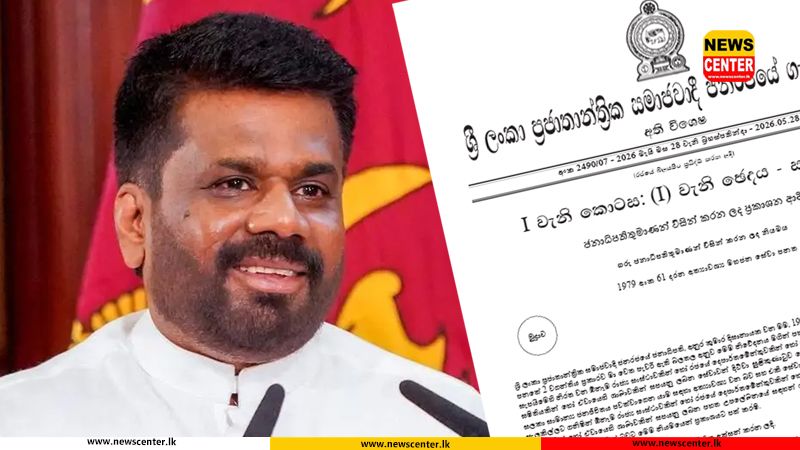
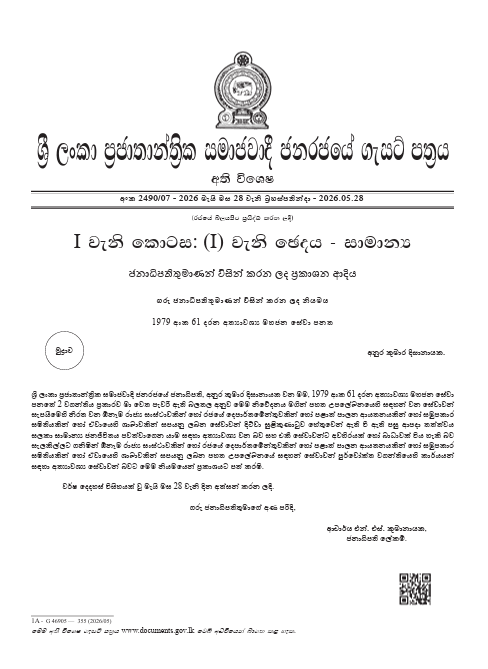
A special gazette notification issued by President Anura Kumara Dissanayake declaring several key services as “essential services” in order to maintain normal public life in response to the “Ditwah” disaster has been further extended.
The order was issued under Section 2 of the Essential Public Services Act No. 61 of 1979, under powers vested in the President, and bears the signature of Presidential Secretary Dr. N. S. Kumanayake.
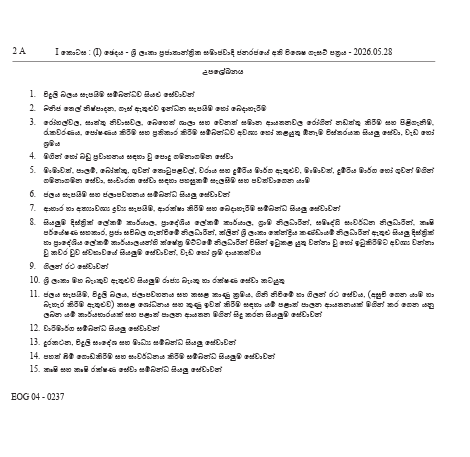
Accordingly, the following services provided by state corporations, government departments, local authorities, and cooperative societies have been classified as essential services:
Energy and fuel: Supply of electricity, petroleum products, and fuel including gas distribution.
Health and life protection: Patient care services in hospitals, nursing homes, and dispensaries, as well as ambulance services.
Transport and infrastructure: Public transport services, maintenance of roads, bridges, railways, ports, and airports.
Public utilities: Water supply, drainage, irrigation services, waste treatment, garbage collection, and all services provided by local authorities.
Food and communication: Supply and distribution of food and essential goods, telecommunications, telephone, and media services.
Public administration and field officers: All services of district and divisional secretariats, Grama Niladhari officers, Samurdhi officers, agricultural research assistants, and field-level officers including “Clean Sri Lanka” coordination teams.
Financial and other services: All state banks including the Central Bank of Sri Lanka, insurance services, agricultural and crop insurance services, as well as land reclamation and development services.
A special gazette notification issued by President Anura Kumara Dissanayake declaring several key services as “essential services” in order to...
FeaturedMay 28, 2026
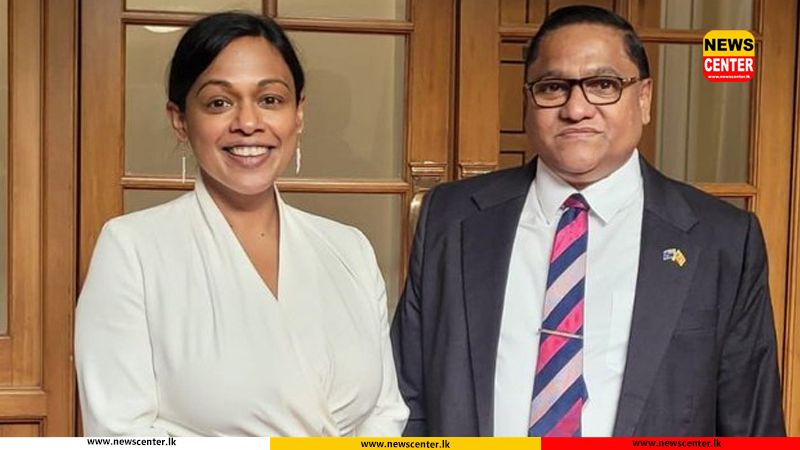
Sri Lanka’s Minister of Foreign Affairs, Foreign Employment and Tourism Vijitha Herath said he had the pleasure of meeting Opposition...
May 28, 2026
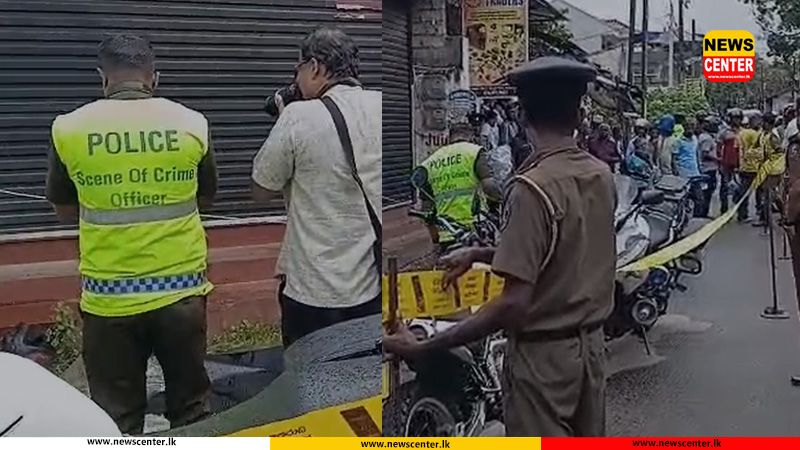
One person has been killed in a shooting incident reported in the Wettumakada area of Kalutara, a short while ago....
May 28, 2026
The Executive Board of the International Monetary Fund (IMF) has completed the combined Fifth and Sixth Reviews of the Extended...
FeaturedMay 28, 2026
The Department of Excise has announced that all liquor stores across the island will remain closed on May 30 and...
May 27, 2026
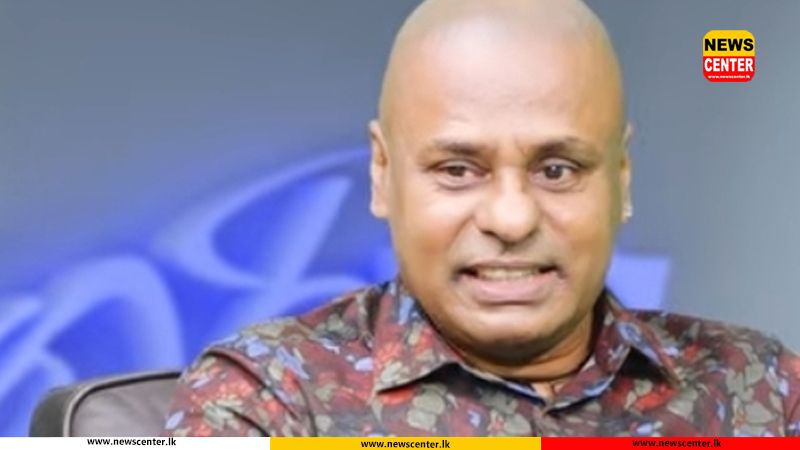
Artist Sangeeth Wijesuriya says he was informed by a Government Minister that International Monetary Fund (IMF) regulations would not permit...
May 27, 2026
The National Water Supply and Drainage Board (NWSDB) says a 12-hour water cut will be imposed in the Gampaha and...
May 27, 2026