

The Epidemiology Unit of the Ministry of Health has issued a set of special guidelines to all health authorities and relevant institutions aimed at controlling and preventing the spread of meningitis.
The Ministry of Health and Mass Media said the guidelines cover suspected symptoms, clinical diagnosis and classification, modes of transmission, treatment, preventive measures, public health practices, school-related instructions, sample collection and laboratory testing, clinical management and community-level control measures, as well as guidance for public gatherings and events.
Health officials have observed that the disease is spreading rapidly, particularly among schoolchildren.
Common symptoms include fever, headache and vomiting, while health authorities note that most cases recover within seven days.
According to the guidelines, meningitis can spread through contaminated food and water via the faecal-oral route, respiratory droplets from coughing or sneezing and close personal contact. Symptoms typically appear within 3 to 7 days after exposure.
Preventive measures include frequent handwashing with soap and water, covering the mouth and nose when coughing or sneezing, avoiding close contact with infected persons and ensuring proper ventilation in homes and buildings.
The guidelines were issued under the direction of a team led by Chief Epidemiologist of the Epidemiology Unit, Dr. Palitha Karunapema, in consultation with specialist medical experts.
They have been distributed island-wide to provincial and regional health authorities, hospital directors, medical administrators, community physicians, and medical officers of health for implementation.
The Central Bank of Sri Lanka (CBSL) has urged the general public to remain vigilant and not be misled by...
May 25, 2026
The Epidemiology Unit of the Ministry of Health has issued a set of special guidelines to all health authorities and...
May 25, 2026

Former Minister Wimal Weerawansa, who was arrested by the Thalangama Police earlier today (25), has been granted bail by the...
May 25, 2026
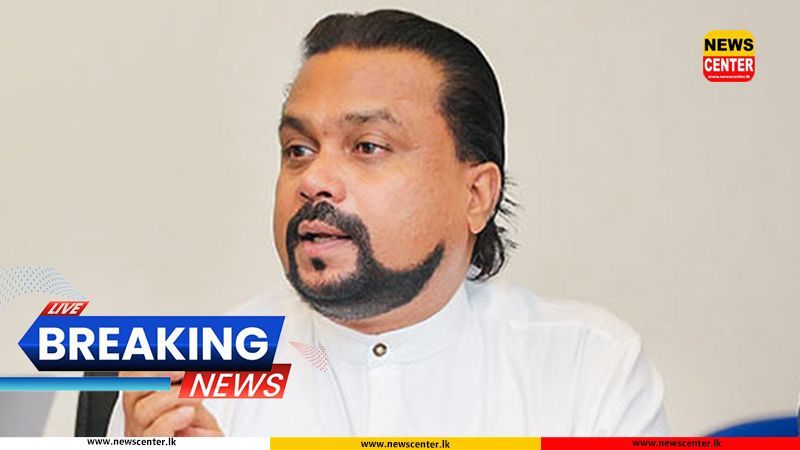
Former Minister Wimal Weerawansa has been arrested by officers of the Thalangama Police, said Ada Derana reporter. He was taken...
May 25, 2026

The Governing Board of the Central Bank of Sri Lanka (CBSL) has tightened the maximum Loan-to-Value (LTV) ratios applicable to...
FeaturedMay 25, 2026

The Central Bank of Sri Lanka (CBSL) has introduced maximum caps on loan-to-value (LTV) applicable for credit facilities secured by...
May 25, 2026
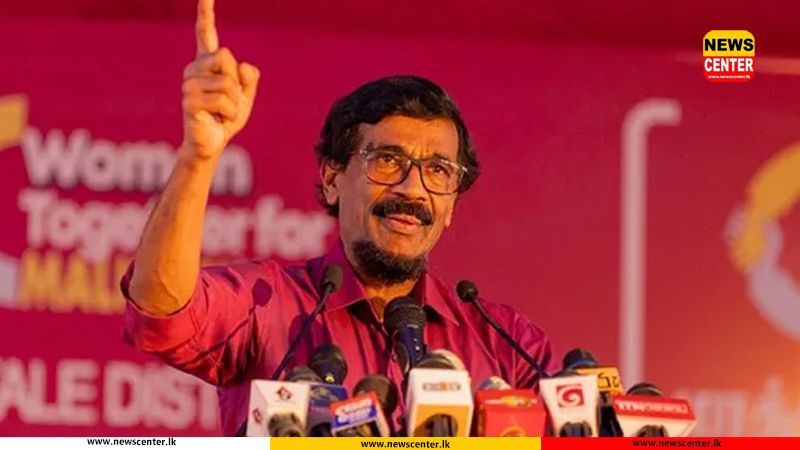
The General Secretary of the Janatha Vimukthi Peramuna (JVP), Tilvin Silva, says that it will not be possible to hold...
FeaturedMay 24, 2026