
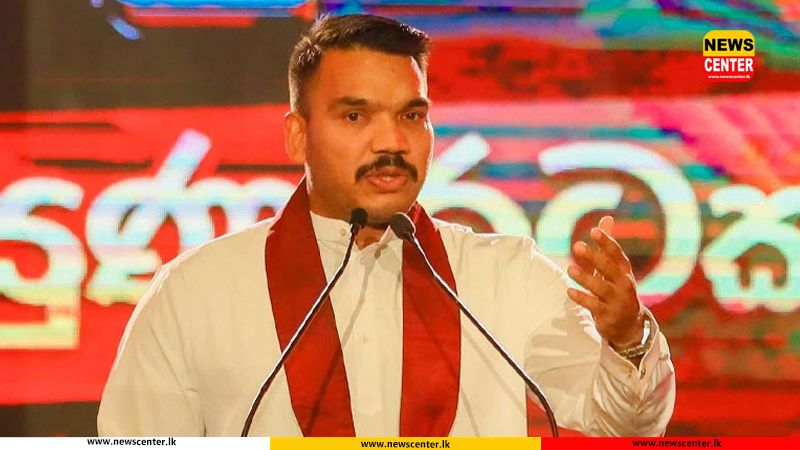
The Oxford Union has cancelled a scheduled speaking engagement with SLPP MP Namal Rajapaksa.
This follows a similar decision by the Cambridge Union, which capitulated to intense pressure from diaspora Tamil student groups and LTTE sympathiser organisations across multiple UK universities.
The Oxford Union President, Katherine Yang, stated that the cancellation occurred because students most connected to the subject matter felt unsafe asking questions openly.
She noted that a forum where key stakeholders cannot engage on equal footing fails to produce the robust debate the Union intends to facilitate.
Similarly, a spokesperson for the Cambridge Union explained that the decision followed "urgent and serious discussions," concluding that a balanced and open discussion was not cordially possible at this time.
The cancellations were prompted by statements from groups such as the Tamil Youth Organisation UK (TYOUK), which claimed that hosting the MP would ignore allegations of war crimes and systemic violence dating back to the end of the civil war in 2009. These groups had planned protests against the events, with Oxford Action for Palestine (OA4P) also calling for demonstrations.
Historically, this is not the first time the Oxford Union has withdrawn an invitation to the Rajapaksa family; a similar incident occurred in 2010 involving former President Mahinda Rajapaksa due to security concerns and large-scale protests.
Despite the cancellations, the MP is currently in the United Kingdom to attend other events. He began his visit by paying homage at the London Buddhist Vihara, where he and his delegation received blessings from the Maha Sangha.
Responding to the developments on X (formerly Twitter), the MP expressed that he had looked forward to the spirit of open dialogue and was prepared to face difficult questions.
He remarked that it is unfortunate when organised pressure and intimidation silence discussion in spaces traditionally reserved for free inquiry.
He further argued that denying such engagement weakens democracy by replacing debate with division, though he remains grateful to both Unions for the original invitations.
His full statement is reproduced below.
The traditions of the Oxford Union and the Cambridge Union have, for generations, represented the highest ideals of free inquiry, rigorous debate, and intellectual courage. Speakers invited to these historic forums are expected to face difficult questions, defend their views, and engage with opposing perspectives before an informed and critical audience. It was precisely this spirit of open dialogue that I looked forward to participating in and welcomed without reservation.
It is therefore deeply unfortunate that circumstances arising from organised pressure prevented these engagements from taking place. Universities and debating societies have long been spaces where disagreement is addressed through discussion rather than disruption, and where ideas are challenged through argument rather than silenced by intimidation.
I would have welcomed the opportunity to engage directly with critics, including those who strongly oppose my views, because meaningful reconciliation and progress can only emerge when differing perspectives meet in open conversation. Denying such engagement does not strengthen democracy. It weakens it by replacing debate with division.
I remain grateful to both Unions for their invitation and understand the difficult position in which they found themselves. I hope that in the future we will have the opportunity to meet in a forum where dialogue prevails and discussion is encouraged.
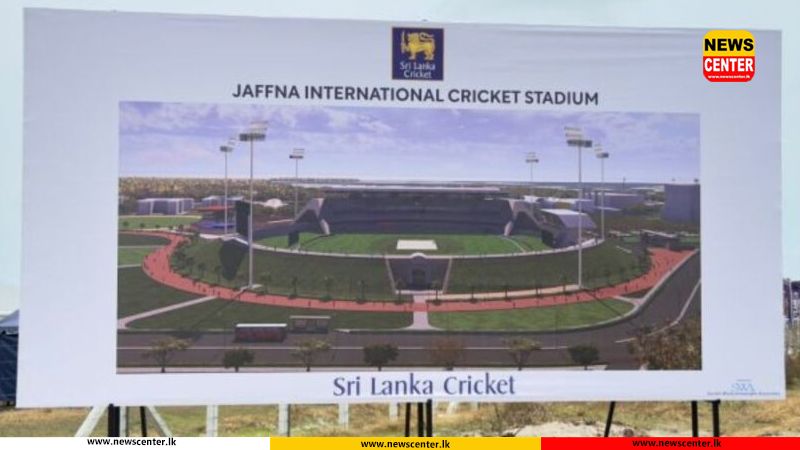
The Director General of the Central Environmental Authority has instructed Sri Lanka Cricket in writing to immediately suspend construction of...
FeaturedFeb 23, 2026
The timeframe granted for the public to lodge complaints and provide information to the Presidential Commission of Inquiry investigating corruption...
Feb 23, 2026
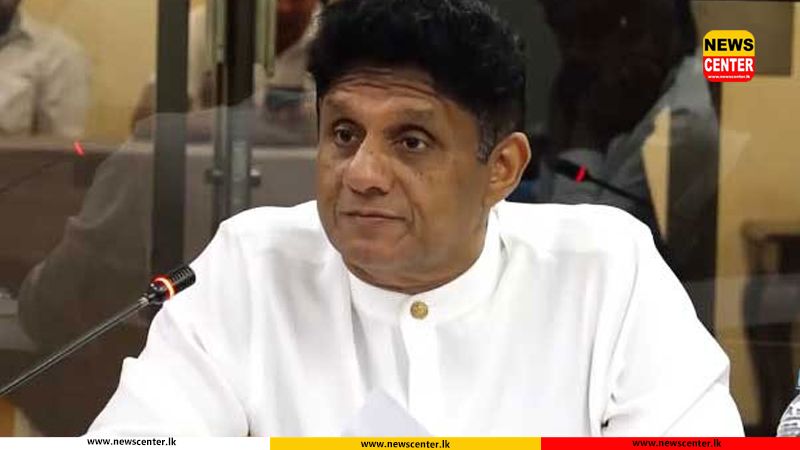
Opposition Leader Sajith Premadasa has requested that underemployed graduates and archaeology graduates be granted the opportunity to enter the teaching...
Feb 23, 2026

The relatives of those found guilty in the murder case of late Polonnaruwa District Member of Parliament Amarakeerthi Athukorala and...
Feb 23, 2026

The overall rate of inflation, as measured by the National Consumer Price Index (NCPI), has decreased to 2.4% in January...
Feb 23, 2026

The National Building Research Insititute (NBRI) has lifted the Level 3 (Red) landslide evacuation warnings previously issued for several Divisional...
Feb 23, 2026
The Oxford Union has cancelled a scheduled speaking engagement with SLPP MP Namal Rajapaksa. This follows a similar decision by...
Feb 23, 2026