
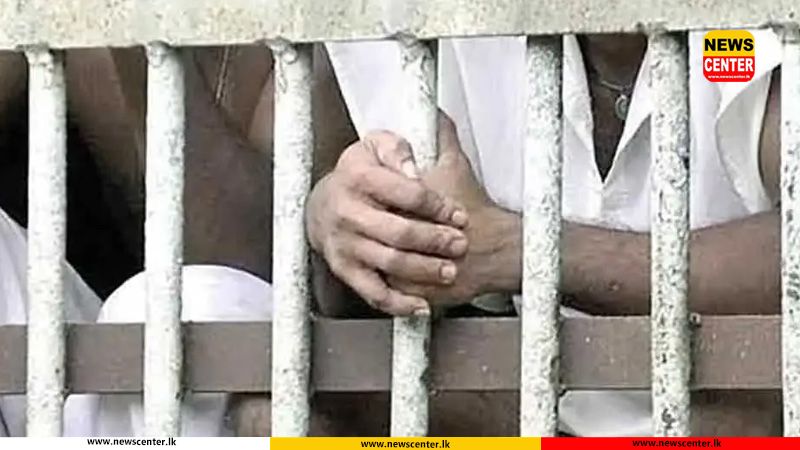
The growing number of suspects held on remand is having a significant impact on overcrowding in Sri Lankan prisons, with officials highlighting the urgent need to expedite forensic reports and introduce other measures to reduce the number of people awaiting trial in custody.
The issue was discussed at a meeting of the Sectoral Oversight Committee on Governance, Justice and Civil Protection chaired by Member of Parliament Dr. Najith Indika.
Officials told the committee that the number of suspects held on remand is a major contributor to prison overcrowding and, in some instances, exceeds the number of convicted prisoners.
Delays in obtaining forensic reports, particularly in cases involving drug-related allegations, were identified as a key factor keeping suspects in remand custody for prolonged periods. Without the necessary reports, some suspects are unable to secure bail and remain behind bars while awaiting further legal proceedings.
Officials revealed that some suspects have spent between 18 months and two years in remand custody without the relevant forensic reports being completed.
The committee also discussed legal amendments that would allow people arrested for minor drug-related offences, particularly those suffering from addiction, to be referred to rehabilitation centres following medical assessment rather than being sent directly to prison.
The use of remote technology and video conferencing for court proceedings was also highlighted as a way of reducing the need to physically transport inmates to courts. Officials said this could help ease the shortage of prison officers while reducing security risks associated with inmate transportation.
Other measures discussed included exploring alternatives under existing laws for prisoners serving sentences of less than four years, minor offenders unable to pay fines, and elderly prisoners or those requiring long-term medical treatment.
A proposal was also put forward to introduce a special court procedure to expedite cases involving mothers imprisoned with children under the age of five.
The committee further considered expanding prison infrastructure, renovating existing buildings, constructing the new Horana prison complex and transferring inmates to facilities with lower levels of overcrowding.
The need to strengthen community-based correctional and follow-up programmes was also emphasized to help prevent people released from prison from reoffending.


President Anura Kumara Dissanayake says the government is making every possible effort to secure a pardon for Sivarasa Anojan, a...
FeaturedSep 21, 2026

President Anura Kumara Dissanayake has appointed Court of Appeal Judge Mayadunna Sri Mevan Anthony Edirimannasuriya Corea as the Acting President...
Sep 21, 2026
The growing number of suspects held on remand is having a significant impact on overcrowding in Sri Lankan prisons, with...
Sep 21, 2026

Sri Lanka’s overall inflation rate, as measured by the National Consumer Price Index (NCPI) on a year-on-year (YoY) basis, increased...
Sep 21, 2026

The Illegal Assets Investigation Division has taken steps to seize property worth approximately Rs. 35 million allegedly belonging to Sujeewa...
Sep 21, 2026

The Supreme Court's confidential determination on the 22nd Amendment to the Constitution has been received by the Speaker, the Speaker's...
Sep 21, 2026

The Sri Lanka Navy has placed 171 disaster relief teams on standby and had deployed 14 units across the Southern...
Sep 21, 2026