

President Anura Kumara Dissanayake has announced a series of measures to strengthen wildlife conservation, address human-elephant conflict and protect Sri Lanka's natural environment, including Rs. 5 billion in funding to prepare for potential El Niño-related risks.
Presenting the 2027 Budget in Parliament today (12), the President said safeguarding environmental balance, protecting biodiversity and ensuring the sustainable use of natural resources were essential responsibilities in achieving long-term economic development. A key highlight of the proposals is the increase in compensation for victims of human-elephant conflict and attacks by protected wild animals.
Under the proposed changes, compensation for damage to houses caused by human-elephant conflict will increase from Rs. 200,000 to Rs. 1 million.
Compensation for death or permanent disability resulting from attacks by protected animals, including wild elephants, will increase from Rs. 1 million to Rs. 2 million, while compensation for partial disability will rise from Rs. 150,000 to Rs. 500,000.
Compensation for damage to other property, excluding houses, will also increase from Rs. 200,000 to Rs. 500,000.
The Government has also proposed tougher penalties for offences involving wild elephants. Amendments to the Fauna and Flora Protection Ordinance are expected to increase fines for killing, hunting, shooting, wounding or capturing a wild elephant from the existing Rs. 150,000–500,000 range to Rs. 500,000–1 million.
Meanwhile, fines for illegally possessing an elephant are proposed to increase from Rs. 150,000–250,000 to Rs. 500,000–1 million through amendments to the Increase of Fines Act, No. 12 of 2005.
Rs. 5 Billion for El Niño Preparedness
In addition to allocations for wildlife and environmental conservation, the Government has proposed Rs. 5 billion as advance preparedness funding to address potential requirements arising from El Niño risks.
A further Rs. 800 million has been allocated for 10 new sustainable environmental management projects, including the protection and stabilisation of the eastern coastal belt, coastal protection in the Karukupane area of Puttalam and the establishment of an ambient air quality monitoring network.
The Government has also allocated Rs. 90 million for the rehabilitation of tanks within wildlife reserves identified by the Department of Wildlife Conservation as requiring restoration, particularly to address water shortages affecting animals during dry periods.
New Wildlife Hospital and Elephant Transit Home
A wildlife treatment hospital will be established on a three-acre site within the Nuwaragam Forest Reserve in Anuradhapura, with an estimated investment of Rs. 700 million from the Wildlife Fund.
The Government also plans to establish a new elephant transit home on 15 acres of land in the Polonnaruwa District to rehabilitate orphaned and stranded baby elephants.
The project is expected to cost Rs. 5 billion and will be implemented in several phases using funds from the Wildlife Fund, reducing the need to transport young elephants over long distances to the existing Udawalawe Elephant Transit Home.
Meanwhile, Rs. 50 million has been allocated for initial work on a centre in Dodanduwa to treat and rehabilitate injured marine animals, including turtles and dolphins.
New Measures to Reduce Human-Elephant Conflict
The President said the Government had recruited 313 wildlife guards and 3,451 electric fence maintenance assistants to strengthen the Department of Wildlife Conservation.
Provisions have also been allocated to recruit 114 wildlife rangers.
To improve field operations, the department received 16 double cabs, 84 single cabs, 181 motorcycles and nine tractors during 2026.
As part of efforts to minimise human-elephant conflict, the Handapanagala, Koholankala and Wetahira Kanda elephant corridors were released in June 2026. The Government also plans to declare the elephant corridor between Nachchaduwa Wewa and Maha Kanadarawa Wewa a wildlife reserve.
An allocation of Rs. 250 million has been proposed for constructing new electric fences and rehabilitating existing ones, with a further Rs. 200 million expected from the Wildlife Fund.
A pilot project using Artificial Intelligence (AI) and thermal cameras to prevent wild elephants from being struck by trains has also been launched. Following a reduction in elephant deaths during the year, the Government plans to expand the project nationwide.
Rs. 3.38 Billion for Marine Pollution Response Equipment
The Government is also strengthening its capacity to respond to marine and coastal pollution, particularly oil spills.
Vessels and machinery worth Rs. 3.38 billion are being obtained under Japanese cooperation to improve emergency response capabilities and protect the country's coastal environment.
New Authority Proposed to Protect Central Highlands
Meanwhile, the Government plans to establish an Upper Watershed Area Management Authority to strengthen the protection and restoration of Sri Lanka's threatened Central Highlands.
The proposed authority will introduce an integrated approach to watershed management and restoration activities, with the relevant legislation expected to be presented to Parliament soon.
Discussions have already commenced to obtain USD 100 million in loan assistance to support the activities of the proposed authority.
The President said protecting the country's natural resources, addressing climate change and safeguarding biodiversity were essential to ensuring sustainable economic development and preserving the environment for future generations.


President Anura Kumara Dissanayake, in his capacity as Minister of Finance, is scheduled to present the government's 2027 Budget proposals...
FeaturedNov 12, 2026

President Anura Kumara Dissanayake has proposed an allocation of Rs. 500 million for 2027 to advance the development of the...
Nov 12, 2026
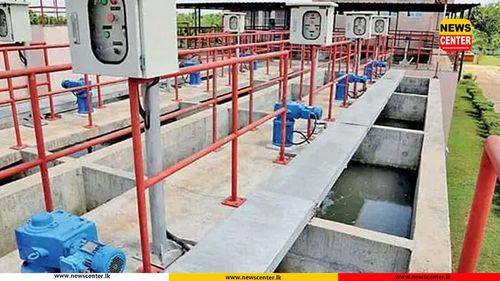
President Anura Kumara Dissanayake has announced an allocation of Rs. 77 billion to ensure an uninterrupted supply of clean drinking...
Nov 12, 2026

President Anura Kumara Dissanayake has announced a series of measures to strengthen wildlife conservation, address human-elephant conflict and protect Sri...
Nov 12, 2026
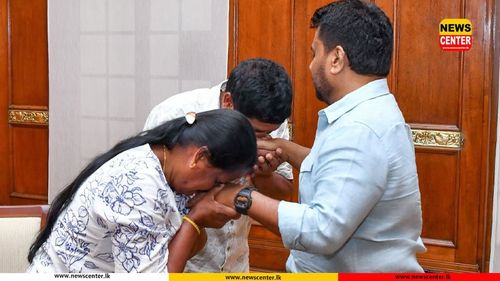
The family of Sri Lankan national Anojan Sivarasa, who was sentenced to death in Saudi Arabia before being cleared of...
Nov 12, 2026
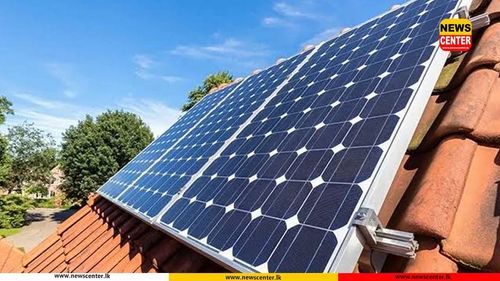
President Anura Kumara Dissanayake has proposed a subsidy of Rs. 25,000 per kilowatt-hour (kWh) for households installing battery storage systems...
Nov 12, 2026

The Government of Sri Lanka today welcomed the decision of the Public Prosecution of the Kingdom of Saudi Arabia not...
Nov 11, 2026