
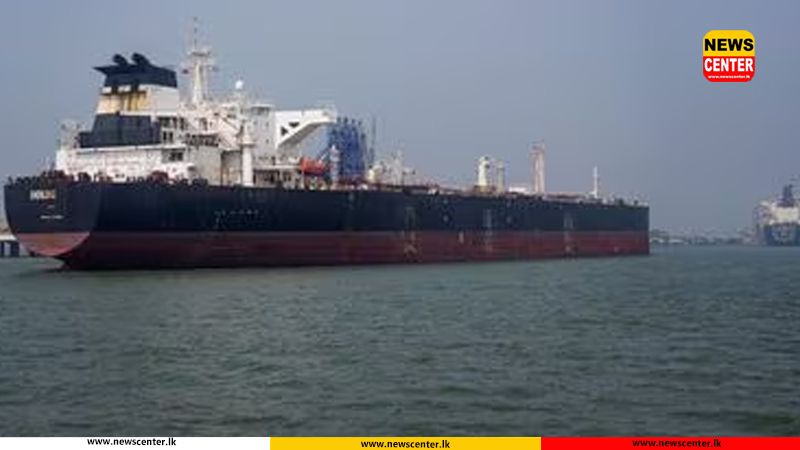
The Trump administration on Thursday issued a new license allowing countries to temporarily purchase certain Russian oil products, the same day Brent crude prices settled above $100 per barrel for the first time since August 2022 as the war with Iran drags on.
Temporarily lifting the sanctions on oil from Russia, a major exporter, comes despite previous US pressure on Russian oil companies as part of a bid to stem the flow of cash funding Moscow’s war in Ukraine.
“To increase the global reach of existing supply, @USTreasury is providing a temporary authorization to permit countries to purchase Russian oil currently stranded at sea,” Treasury Secretary Scott Bessent wrote on social media. “This narrowly tailored, short-term measure applies only to oil already in transit and will not provide significant financial benefit to the Russian government, which derives the majority of its energy revenue from taxes assessed at the point of extraction.”
The license, posted to the US Treasury site, only applies to Russian crude or petroleum products loaded on vessels as of March 12. The license authorizes those shipments through April 11.
Democratic Sen. Jeanne Shaheen of New Hampshire and ranking member on the Senate Committee on Foreign Relations criticized the decision on social media. “As Putin helps Iran target Americans in the Middle East, @POTUS is now filling the Kremlin’s war coffers. Instead of squeezing Russia’s faltering economy, the President’s ill-planned war is giving Putin a windfall while American families face higher prices,” Shaheen wrote.
CNN previously reported that the US has granted Indian refiners a 30-day waiver to buy Russian oil currently stranded at sea. Bessent, at the time, said the move was “to enable oil to keep flowing into the global market.”
The war, now in its second week, has seen the Strait of Hormuz, through which one-fifth of the world’s oil travels, effectively closed to tanker travel. Oil prices have jumped, and analysts, economists and traders have warned that even a rapid end to the war won’t necessarily mean a quick re-opening of the strait.
As the energy shortage worsens, countries have scrambled to stem the economic impact by curbing consumption, capping fuel prices and tapping into emergency oil reserves.
The Trump administration on Thursday issued a new license allowing countries to temporarily purchase certain Russian oil products, the same...
Mar 13, 2026
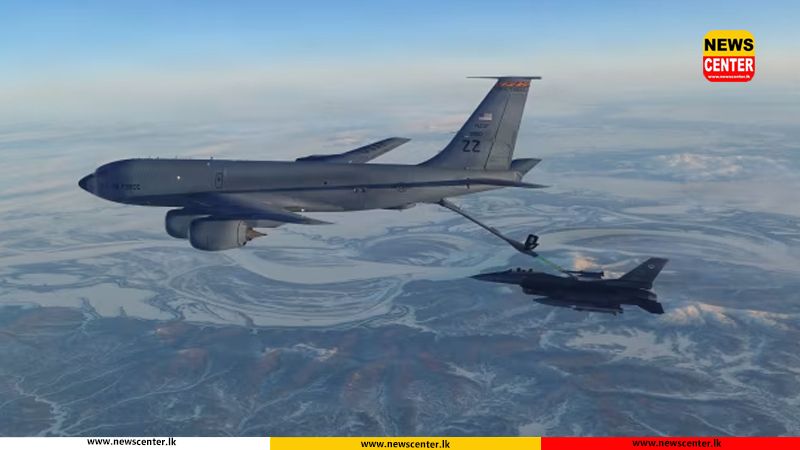
A U.S. military refueling aircraft crashed in western Iraq on Thursday, in an incident U.S. Central Command said involved another...
Mar 13, 2026
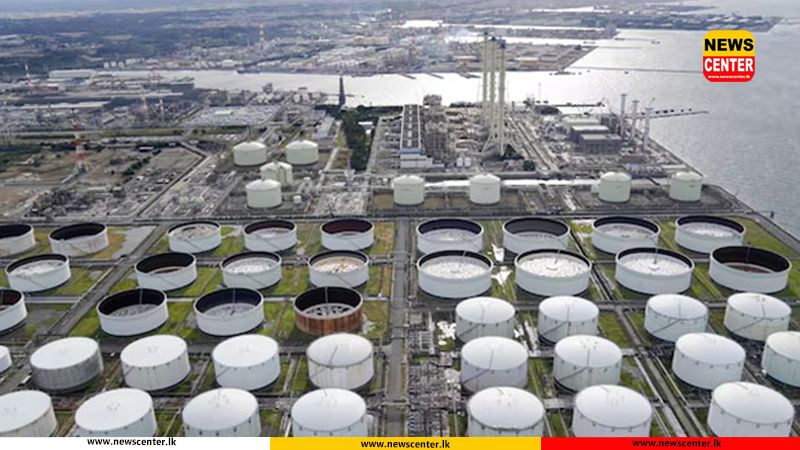
The United States Department of Energy announced its plan to offload 172 million barrels from the strategic petroleum reserve ‘‘beginning...
Mar 12, 2026
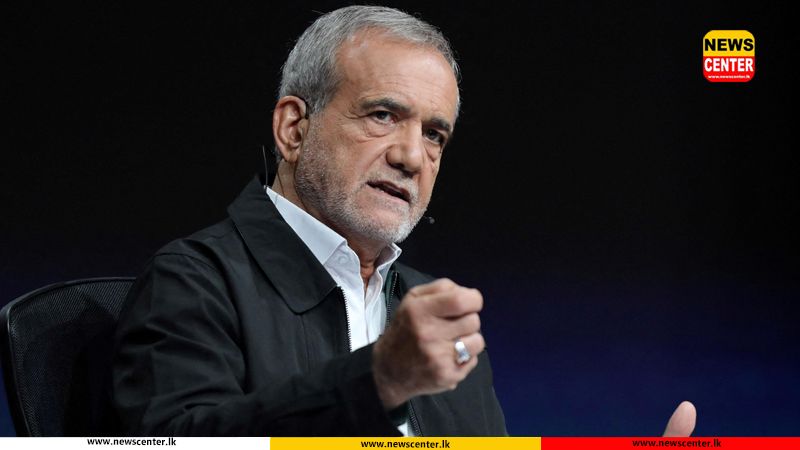
Iran’s president Masoud Pezeshkian said on Wednesday that the only way to end the war with the United States and...
Mar 12, 2026
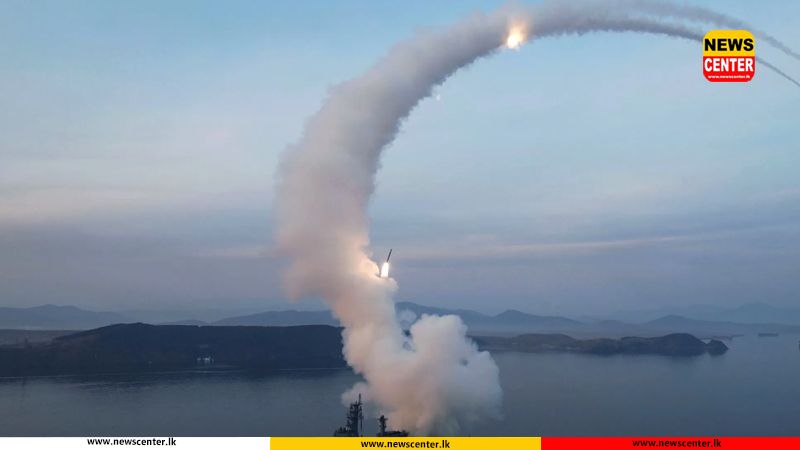
North Korean leader Kim Jong Un and his teenage daughter observed tests of strategic cruise missiles fired from a warship,...
Mar 11, 2026

G7 nations have said they would support the collective release of oil from their reserves to tackle soaring prices since...
Mar 11, 2026

US Defence Secretary Pete Hegseth called Tuesday the “most intense day” of US strikes on Iran as he decried the...
Mar 10, 2026