
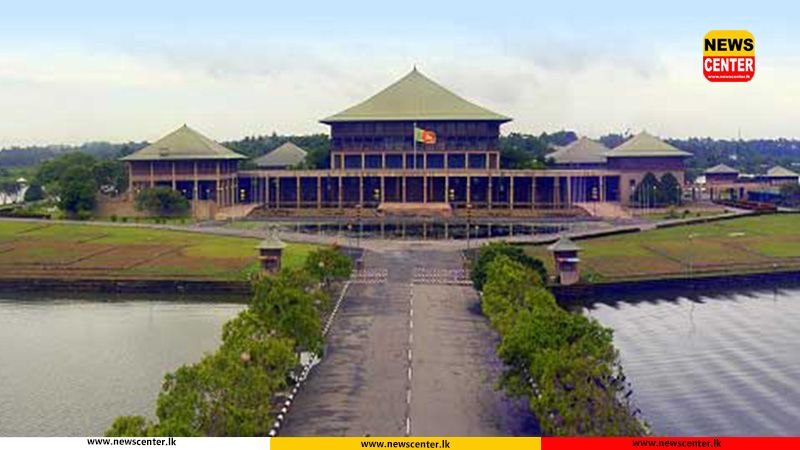
A petition has been filed before the Supreme Court seeking a determination that the proposed 22nd Amendment to the Constitution, approved by the Cabinet of Ministers, is inconsistent with the Constitution.
The petition has been filed by T.M.S. Pasindu Silva, the Treasurer of the Bar Association of Sri Lanka (BASL), and the BASL Assistant Secretary.
The petitioners are seeking a ruling that the proposed Bill, if it is to be enacted, must first receive approval by a two-thirds majority of the Members of Parliament and subsequently be approved by the people at a referendum.
The petitioners have argued that the provisions contained in the proposed amendment require both parliamentary approval and a referendum in order for the Bill to be validly enacted.
The Cabinet of Ministers approved the 22nd Amendment to the Constitution previously, paving the way for it to be presented to Parliament.
Earlier today (18), the 22nd Constitutional Amendment Bill and the Judicature (Amendment) Bill were presented to Parliament by Minister of Justice and National Integration Harshana Nanayakkara.
The government gazetted the proposed 22nd Constitutional Amendment Bill on August 7, despite the objections by various factions.
Under parliamentary procedure, a Bill must be presented for its first reading one week after the issuance of its Gazette notification, following which a one-week period is available for petitions challenging the Bill before the Supreme Court.
The Supreme Court is required to communicate its determination to the Speaker within three to 21 days after considering such petitions.
If enacted, the 22nd Amendment to the Constitution will increase the retirement age of Supreme Court judges from 65 to 67 years and that of Court of Appeal judges from 63 to 65 years.
Meanwhile, the Judicature (Amendment) Bill proposes to raise the retirement age of judges serving in the High Courts, District Courts and Magistrates’ Courts by two years.
The Supreme Court is now being asked to determine whether the provisions of the proposed 22nd Amendment fall within the category requiring both a two-thirds parliamentary majority and a referendum.
The Supreme Court’s determination will establish the constitutional procedure that must be followed if the proposed amendment is to proceed.


The Samagi Jana Balawegaya (SJB) has filed a petition before the Supreme Court challenging the constitutionality of the 22nd Amendment...
Aug 18, 2026
A petition has been filed before the Supreme Court seeking a determination that the proposed 22nd Amendment to the Constitution,...
Aug 18, 2026
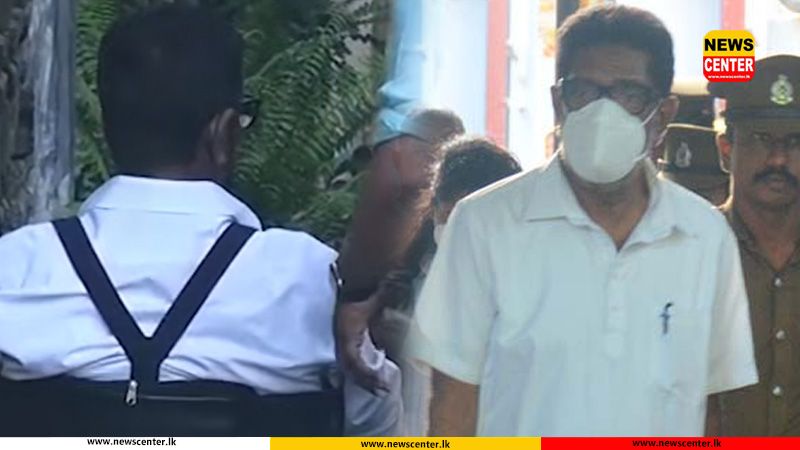
Former Health Minister Keheliya Rambukwella was arrested by the Commission to Investigate Allegations of Bribery or Corruption (CIABOC) today (18)....
Aug 18, 2026
The 22nd Constitutional Amendment Bill and the Judicature (Amendment) Bill were presented to Parliament today (18) by Minister of Justice...
FeaturedAug 18, 2026
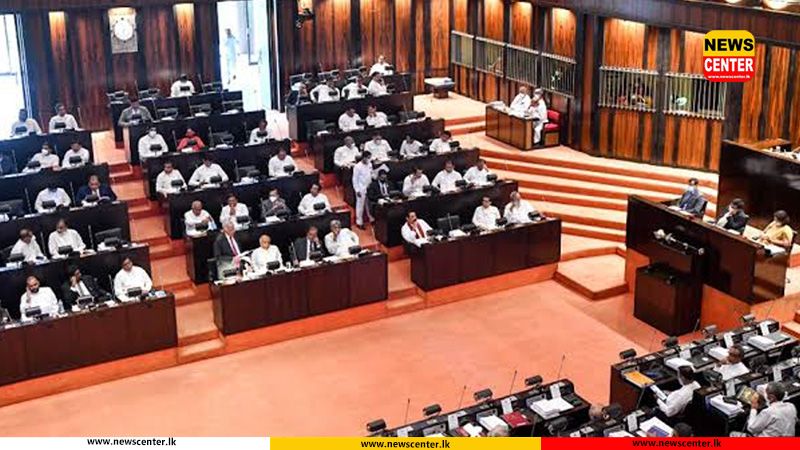
The 22nd Constitutional Amendment Draft Bill and the Judicature (Amendment) Bill are scheduled to be presented to Parliament today (18)....
Aug 18, 2026
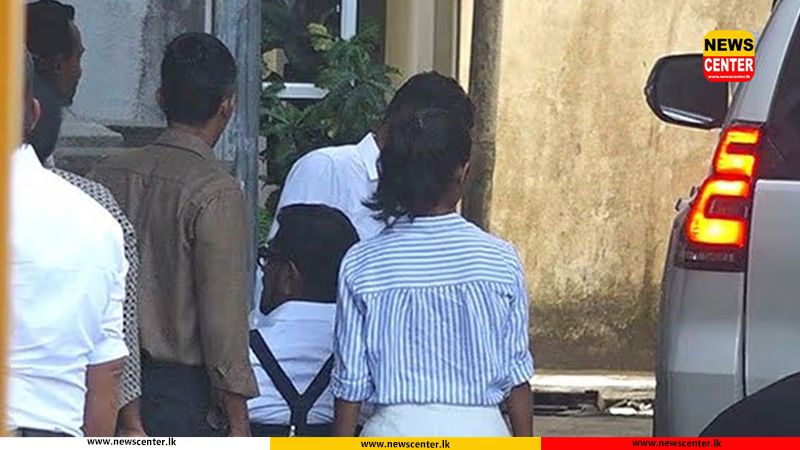
Former Health Minister Keheliya Rambukwella has arrived at the Commission to Investigate Allegations of Bribery or Corruption (CIABOC) to record...
Aug 18, 2026

Suranjith Wewita has been appointed as the new Chairman of the Sri Lanka Tourism Development Authority (SLTDA). He also serves...
Aug 18, 2026