
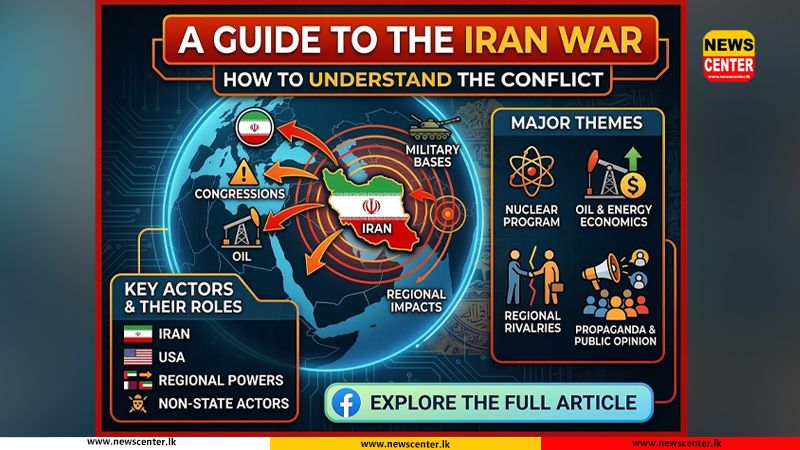
Due to contradictory signals emerging from President Trump and his own Pentagon, allies, markets, and lawmakers remain in a state of uncertainty regarding how and when the war with Iran will end. Every passing week without a resolution intensifies domestic economic pressure and foreign instability, increasing the political risk for Trump ahead of the midterm elections.
At an annual meeting on Monday, Trump told Republicans that the United States has already won the war, "but we haven't won enough yet." This statement came just hours after he told CBS News that the war was "largely complete."
Here are five scenarios for how the war with Iran could end:
Since the launch of 'Operation Epic Fury,' ending Iran's nuclear weapons program has been one of Trump's primary stated goals. Iran and the US held three rounds of indirect nuclear talks in Geneva days before the war began, but Trump's representatives ultimately concluded that Tehran was not sincere about a deal. Trump told Fox News on Monday that resuming negotiations is "possible," but expressed disappointment over the selection of the hardliner Mojtaba Khamenei as Supreme Leader following his father's death.
Days before the attacks began, Omani mediators said Iran had agreed to halt its uranium enrichment program and that peace was "within reach." It was during this window that the US and Israel struck Iran.
Trump has pointed to Venezuela where the US captured President Nicolas Maduro last January and established a working relationship with his successor, Vice President Delcy Rodriguez as a model for Iran. Trump stated on Monday that Iran "made a big mistake" regarding Mojtaba Khamenei’s appointment, hinting that the new Supreme Leader would not remain in power for long.
Reality Check: Beyond geographical factors, there are significant limits to the Iran-Venezuela comparison. Experts say treating them as similar misinterprets the power structure of the Islamic Republic. This regime has withstood 47 years of sanctions, wars, and internal uprisings fortified by military, religious, and political institutions designed to outlast any single leader. To Iranian protesters risking their lives for regime change, a US-backed leader coming from within the system would look like a betrayal, not freedom.
The possibility of collapse may be real. Ayatollah Khamenei is dead, the economy has crashed, and weeks before the war began, Iran saw the largest protests since the 1979 Revolution. Israeli Prime Minister Benjamin Netanyahu has introduced these strikes as "an opportunity for the courageous Iranian people to take their destiny into their own hands."
However: The Iranian opposition lacks a unified leader or an organized grassroots force. The exiled Crown Prince Reza Pahlavi is among the most popular opposition figures, but Trump has downplayed his credibility partly because Pahlavi has not lived in Iran for nearly 50 years. Kurdish forces backed by Israel could provide some ground support, but the risk is immense, potentially sacrificing a large number of American soldiers including the risk of Iran sliding into the kind of civil war that engulfed Syria for a decade.
Barak Ravid and Mark Caputo of Axios report that the US and Israel have discussed sending special forces into Iran to physically seize or destroy Iran's highly enriched uranium stockpiles. In this scenario, the war ends not with a political settlement, but by physically eliminating the nuclear threat.
However: This operation would require "boots on the ground" in a country that is still launching ballistic missiles. A glance at the regional map confirms that such an action is not very practical given Iran's fortress-like terrain.
In this scenario, Trump decides that Iran's missile and drone capabilities have been sufficiently weakened. He then declares a historic victory and withdraws regardless of whether the fundamental political situation in Tehran has been resolved. Markets are anticipating a quick exit, especially as domestic economic pressure risks becoming a serious political problem for the President. Elections are on the horizon, the stock market faces severe challenges, and his Middle Eastern allies are confined to bunkers.
However: Trump himself has warned that allowing the wrong leader to take control could force the US back into war in "five years." Ending the operation might also require Israel's consent—Israel has indicated its willingness to act unilaterally and has vowed to permanently eliminate the Iranian nuclear threat with or without Washington's support.
The end of the war will be determined among these five factors. Iran is already preparing for years of war. They have nothing left to lose now. But the US and its allies have a lot to lose.
After this war began, Antony Blinken who served as Secretary of State under the Biden administration and Deputy Secretary of State under Obama said that during the Obama presidency, Israel similarly pressured the US to go to war with Iran. He stated his administration did not fall for those tactics.
Part of the conversation with Antony Blinken :
"Looking back at the Obama administration, Israel exerted heavy pressure on President Obama to take military action against Iran. They warned they would do it alone if Obama didn't. But Obama disagreed, believing that a 'strong diplomatic approach' backed by tough sanctions was the best way to control the Iranian nuclear program. He chose that path, rallying other countries, which eventually led to the 'Iran Nuclear Deal.'
Furthermore, in the days following the horrific Hamas attack on Israel on October 7, Israel was prepared to launch a pre-emptive strike, claiming Hezbollah in Lebanon was preparing an attack from the north. President Biden then said, 'Look, we are always with you in defending Israel. If you are attacked, we are there. But if you initiate an attack yourselves, we are not.'
Due to incorrect information Israel had about a pending attack from Hezbollah, a major war in the north was only about 30 minutes away from igniting. We were able to prevent it. That day, President Biden emphasized that we are not prepared to be part of a fight you start. That is a completely different situation from defending a country when it is attacked."
By Manjula Basnayake – Based on Foreign Media
Due to contradictory signals emerging from President Trump and his own Pentagon, allies, markets, and lawmakers remain in a state...
FeaturedMar 14, 2026

The Trump administration on Thursday issued a new license allowing countries to temporarily purchase certain Russian oil products, the same...
Mar 13, 2026
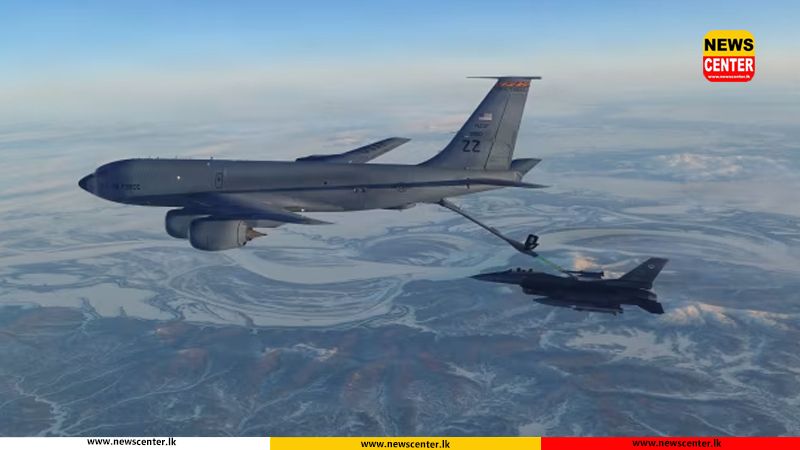
A U.S. military refueling aircraft crashed in western Iraq on Thursday, in an incident U.S. Central Command said involved another...
Mar 13, 2026
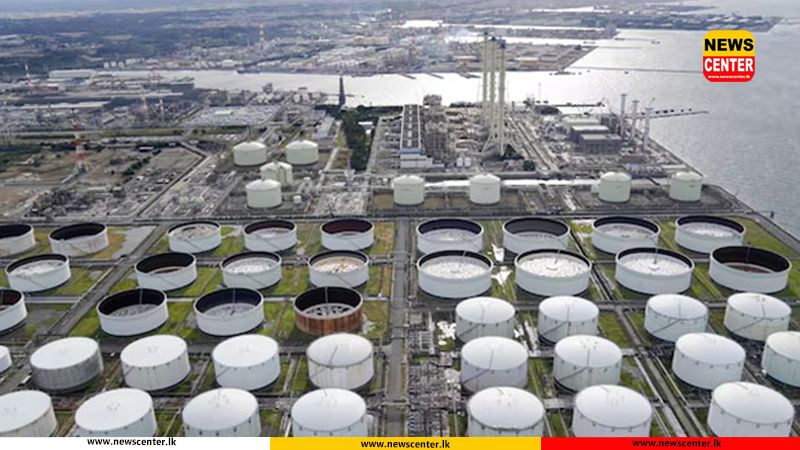
The United States Department of Energy announced its plan to offload 172 million barrels from the strategic petroleum reserve ‘‘beginning...
Mar 12, 2026
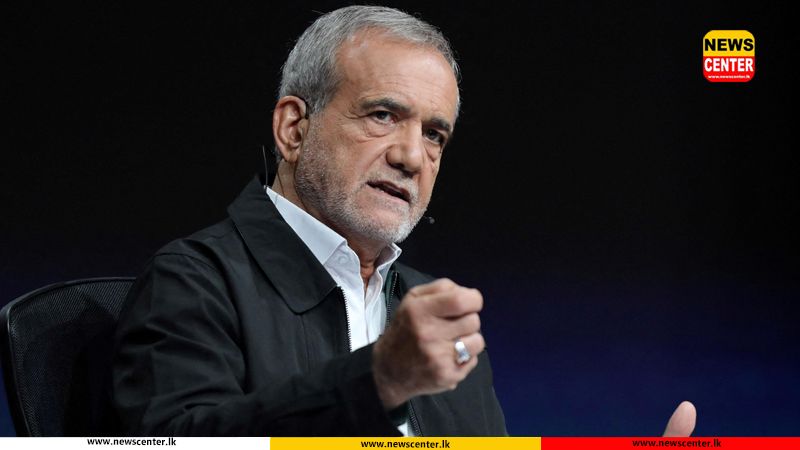
Iran’s president Masoud Pezeshkian said on Wednesday that the only way to end the war with the United States and...
Mar 12, 2026
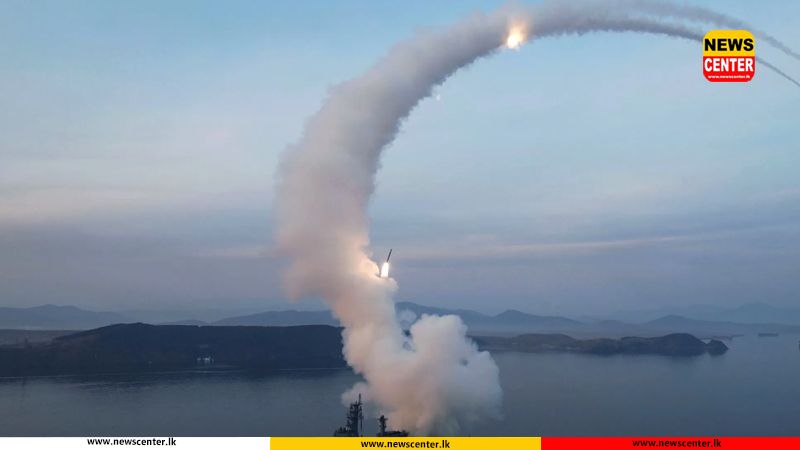
North Korean leader Kim Jong Un and his teenage daughter observed tests of strategic cruise missiles fired from a warship,...
Mar 11, 2026

G7 nations have said they would support the collective release of oil from their reserves to tackle soaring prices since...
Mar 11, 2026