
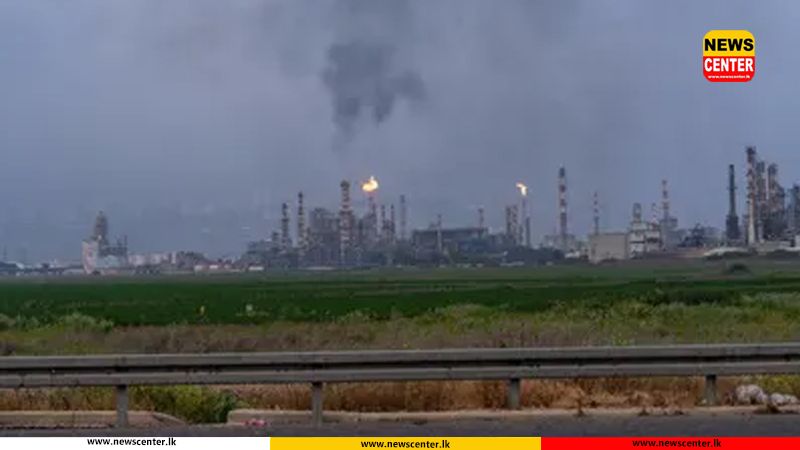
QatarEnergy, the country’s state-owned petroleum company, has confirmed that missile attacks on Ras Laffan Industrial City on March 18–19 caused extensive damage to liquefied natural gas (LNG) and gas-to-liquids (GTL) facilities, reducing Qatar’s LNG export capacity by 17% and resulting in an estimated $20 billion in annual revenue losses.
Minister of State for Energy Affairs and President and CEO of QatarEnergy, Saad Sherida Al-Kaabi, said the damage to LNG Trains 4 and 6, joint ventures with ExxonMobil, amounts to 12.8 million tons per annum of production.
Repairs are expected to take three to five years, forcing QatarEnergy to declare long-term force majeure on some contracts, with impacts on supply to China, South Korea, Italy, and Belgium, as well as impacting supply to markets in Europe and Asia.
The attacks also struck the Pearl GTL facility operated by Shell, disabling one of its two trains for at least a year.
Associated product losses include condensates (18.6 million barrels, 24% of exports), LPG (1.281 MT, 13%), naphtha (0.594 MT, 6%), sulfur (0.18 MT, 6%), and helium (309.54 MCFA, 14%).
Minister Al-Kaabi noted that no casualties were reported, describing the strikes as “an attack on global energy security and stability.”
He praised Qatar’s military, security forces, and energy sector emergency teams for their swift response in containing the situation.

A commemorative gold coin bearing the image of US President Donald Trump has been approved by a federal arts commission....
Mar 20, 2026
QatarEnergy, the country’s state-owned petroleum company, has confirmed that missile attacks on Ras Laffan Industrial City on March 18–19 caused...
Mar 20, 2026
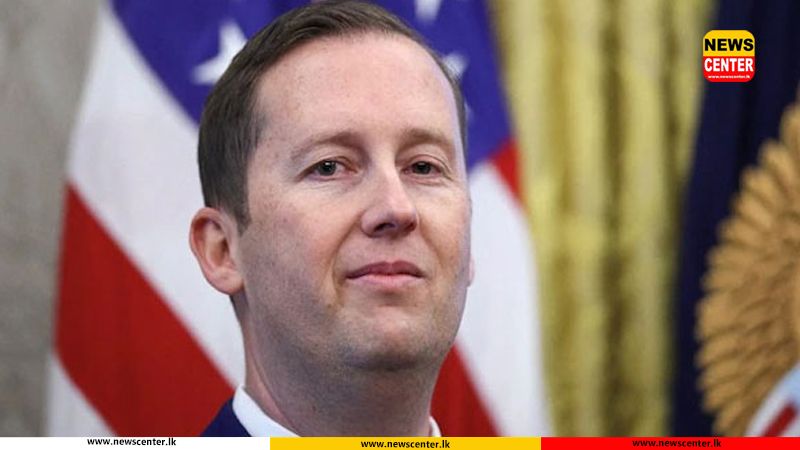
U.S. Special Envoy for South and Central Asia Sergio Gor arrived in Sri Lanka as part of an official visit...
Mar 19, 2026

Iran’s intelligence minister, Esmaeil Khatib, has been killed, according to the Israeli defence minister. Khatib was “eliminated” in a strike...
Mar 18, 2026
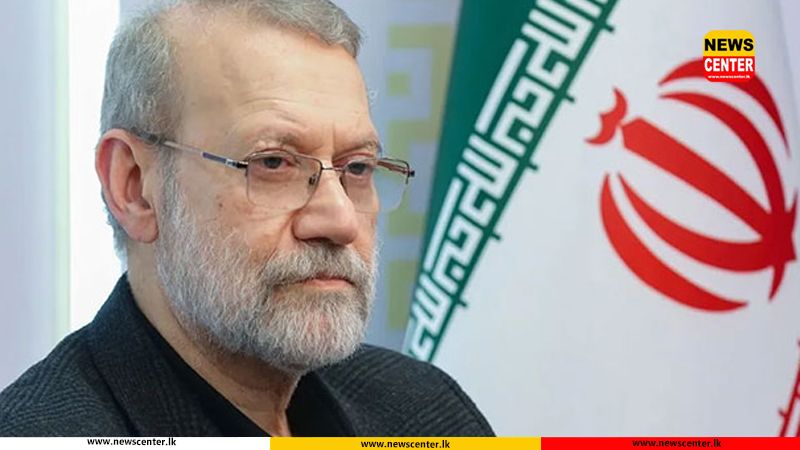
Israel targeted Ali Larijani, the head of Iran’s Supreme National Security Council, in a Tehran strike on Monday night, according...
Mar 17, 2026
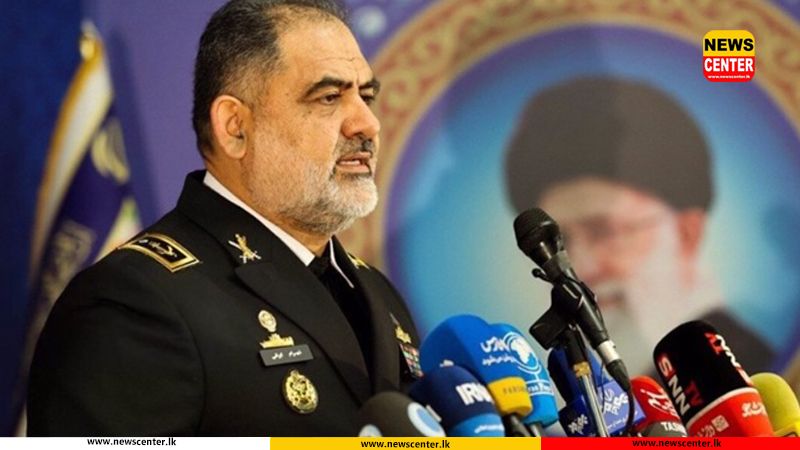
The commander of the Iranian Navy, Rear Admiral Shahram Irani, issued a warning to the United States and Israel on...
Mar 17, 2026

At least 400 people were killed and 250 injured in an air strike by Pakistan on a drug users rehabilitation...
Mar 17, 2026