
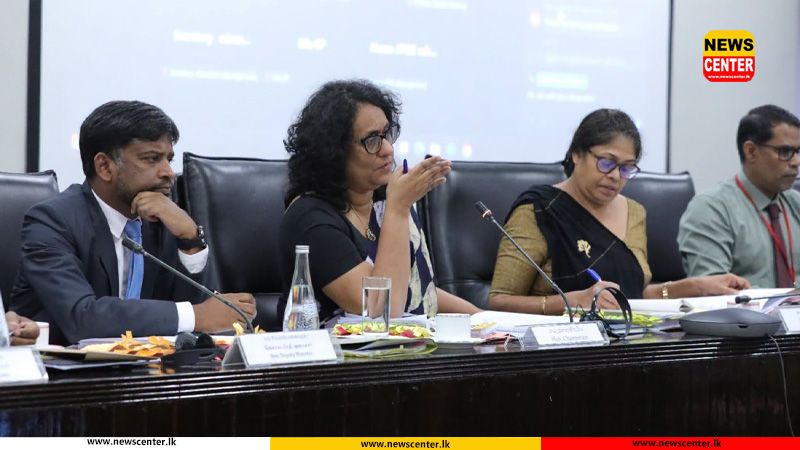
Prime Minister and Minister of Education, Higher Education and Vocational Education, Dr. Harini Amarasuriya, recently instructed officials to expedite solutions to a range of issues in the education sector.
She issued these instructions while inquiring into issues brought to the attention of the Committee by Members of Parliament at a recent meeting of the Ministerial Consultative Committee on Education, Higher Education and Vocational Education, held in Parliament under her chairmanship.
It was revealed at the meeting that 334 schools had been identified as having difficulty accessing the internet through conventional telecommunications networks. A private company has been entrusted with providing Wi-Fi facilities to these schools.
Officials also stated that a project proposal was being considered to provide internet access to 10 remote schools where connectivity through conventional means is impossible due to geographical challenges. The service would be provided by a newly established Sri Lankan company specializing in satellite internet services.
The Prime Minister also instructed officials to monitor progress at district and divisional levels to ensure that funds allocated for drinking water and sanitation facilities in schools are fully utilized before the end of the financial year, rather than being returned unspent.
Progress on the project to develop 169 selected primary schools was reviewed, and provincial authorities were instructed to expedite the preparation of engineering estimates that had been delayed.
The Prime Minister instructed that primary sections should be limited to one smart classroom per grade, rather than converting every classroom into a smart classroom, as young children need to learn through direct interaction with their environment. She further stressed that newly designed primary schools must include recreation and reading rooms where children can spend time freely and enjoy a sense of mental well-being.
It was also instructed that the admission of children under probationary care to schools should be carried out based on court orders. Common guidelines and circulars should be implemented to enable these children to gain admission to urban and national schools without unnecessary obstacles.
It was revealed that some annual teacher transfers had to be revised or suspended because principals had not released teachers due to the absence of replacements. Officials were instructed to take prompt action, in coordination with the relevant divisions, to recruit the required number of teachers.
The meeting also discussed formalizing the monitoring of duties performed by sports coaches assigned to schools, establishing their working hours, and developing a transfer policy applicable at both provincial and national levels.
Serious shortcomings in toilet facilities and accessibility at schools attended by children with special needs received particular attention. Officials were instructed to conduct a national audit of the requirements of these schools and allocate special funding to expedite the construction of buildings and sanitation facilities that children can use conveniently.
The need to formulate a national policy to regulate preschool education, formalize the teacher training framework, and prevent unauthorized external institutions from issuing certificates that do not meet the required standards was also discussed.
Meanwhile, the progress of the Subcommittee on Higher Education was presented to the Committee by its Chairperson, Deputy Minister Dr. Madhura Seneviratne. The progress of the Subcommittee on Physical Resource Shortages in Schools was presented by its Chairperson, Member of Parliament Samanmali Gunasinghe.
Deputy Minister Nalin Hewage, several Members of Parliament, and officials representing the Ministry of Education, Higher Education and Vocational Education also attended the meeting.

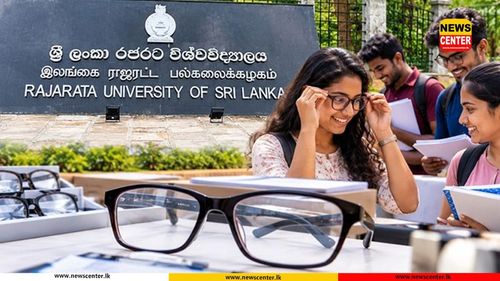
A total of 316 students of Rajarata University are scheduled to receive free spectacles tomorrow (17) under a programme implemented...
Oct 16, 2026
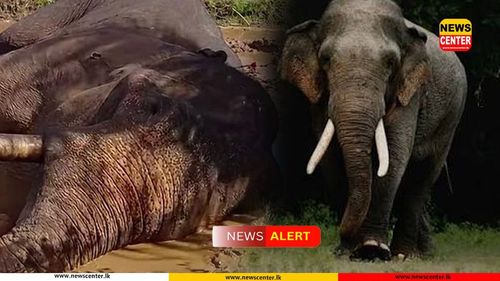
"Kavantissa, known as one of the largest and tallest wild tuskers in Sri Lanka, passed away a short while ago....
FeaturedOct 16, 2026
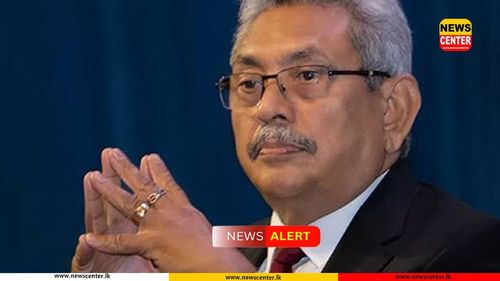
Former President Gotabaya Rajapaksa has filed a motion before the Colombo Fort Magistrate’s Court seeking the temporary lifting of his...
Oct 16, 2026
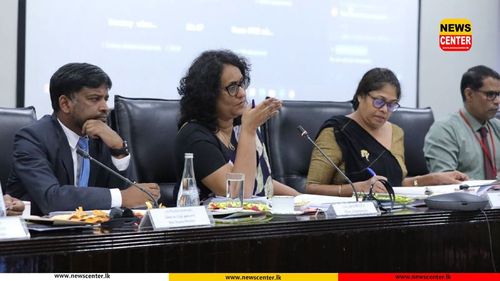
Prime Minister and Minister of Education, Higher Education and Vocational Education, Dr. Harini Amarasuriya, recently instructed officials to expedite solutions...
Oct 16, 2026
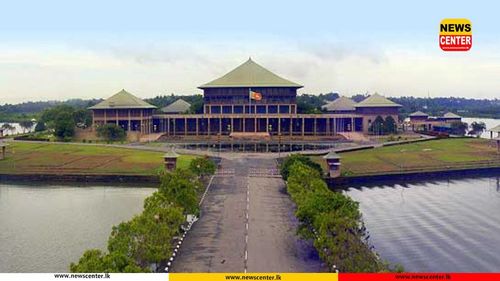
Parliament is scheduled to meet from October 20 to 23, the Secretary General of Parliament Mrs. Kushani Rohanadeera said. The...
Oct 16, 2026
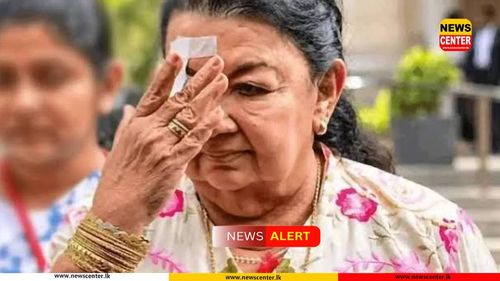
The Colombo Magistrate’s Court has granted bail to former First Lady Shiranthi Rajapaksa, who was arrested by the Bribery Commission...
FeaturedOct 16, 2026

SriLankan Airlines today announced that the suspension of all flights between Colombo and Dammam, as well as between Colombo and...
Oct 16, 2026