
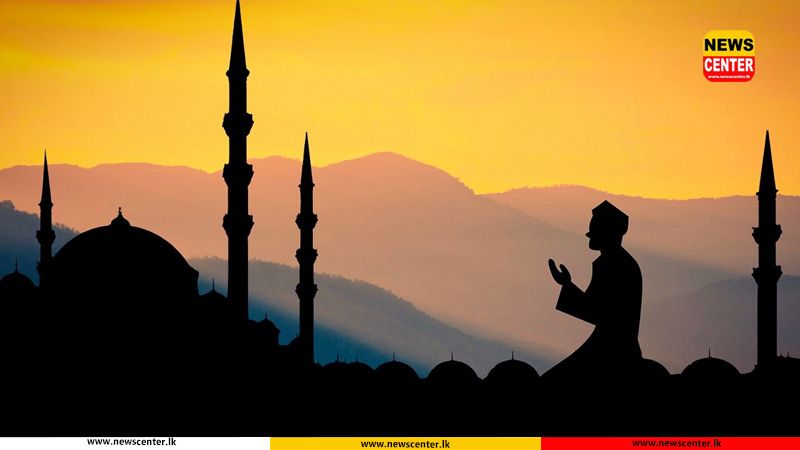
Muslims across Sri Lanka are observing Milad-un-Nabi today (25), commemorating the birth of Prophet Muhammad and reflecting on his life, teachings and message of peace.
The 42nd National Milad-un-Nabi celebration will be held at 3.00 p.m. at Al-Hilal College in Periyamulla, Negombo, under the patronage of President Anura Kumara Dissanayake.
Several religious, educational and community programmes have been organised as part of the national celebrations, which seek to highlight the values associated with the life and teachings of Prophet Muhammad.
Milad-un-Nabi
Milad-un-Nabi, also known as Mawlid or Mawlid al-Nabi, refers to the observance commemorating the birth of Prophet Muhammad, who Muslims believe was the final prophet in Islam.
The Prophet Muhammad was born in Makkah in Saudi Arabia, in the 6th century CE. According to Islamic scriptures, he was born in the month of Rabi' al-Awwal, the third month of the Islamic lunar calendar.
The observance of the Prophet's birth developed as a formal public religious tradition centuries after his lifetime. Practices associated with Milad vary between countries and Muslim communities. They can include religious gatherings, recitations, sermons, poetry, prayers, discussions about the Prophet's life and charitable or community activities.
According to scholars, for Muslims, the occasion provides an opportunity to learn about and reflect on the Prophet's character, conduct and teachings. Particular emphasis is often placed on values such as compassion, honesty, patience, justice, generosity, forgiveness and care for others.
Milad in Sri Lanka
Milad-un-Nabi has been observed by Sri Lanka's Muslim community for generations and has developed into an important religious and community occasion. Religious gatherings, sermons, educational programmes and charitable activities are held in mosques, schools and community institutions in different parts of the country.
The occasion also has significance beyond religious observance, particularly in Sri Lanka's multi-religious and multi-ethnic society. National and community-level Milad programmes often emphasise peaceful coexistence, mutual respect and understanding among people of different faiths and backgrounds.
This year's national celebrations similarly aim to promote the Prophet's teachings of peace, compassion, unity, tolerance and service to humanity.
The national event in Negombo is expected to bring together religious leaders, government representatives, community members and others to mark the occasion and reflect on its broader message.
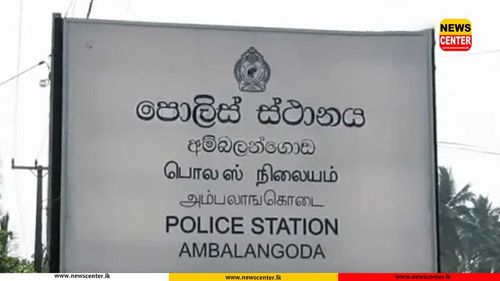
The Sub-Inspector in charge of the team that arrested the suspect involved in the Ambalangoda Police Station incident has been...
Aug 26, 2026
Muslims across Sri Lanka are observing Milad-un-Nabi today (25), commemorating the birth of Prophet Muhammad and reflecting on his life,...
Aug 26, 2026
Prime Minister Dr. Harini Amarasuriya has emphasised that the teachings of the Holy Prophet Muhammad provide important guidance for humanity...
Aug 26, 2026
President Anura Kumara Dissanayake has called on Muslims in Sri Lanka and around the world to draw inspiration from the...
Aug 26, 2026
An investigation has been initiated on the instructions of the Inspector General of Police (IGP) regarding a video circulating on...
FeaturedAug 26, 2026
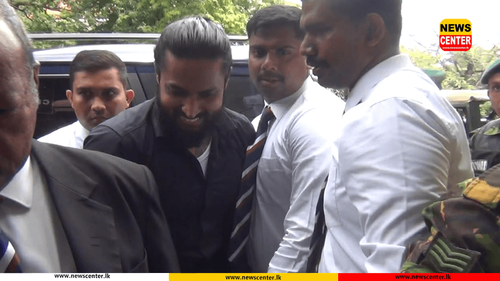
Information relating to seven actresses and models and nine politicians has been uncovered from mobile phones seized from alleged drug...
FeaturedAug 25, 2026
An extraordinary incident has shaken Kohobankulama village in Galgamuwa, where a man declared dead by police arrived alive at the...
Aug 25, 2026